Rubens Barsotti's drumming interpretation as seen by former students.

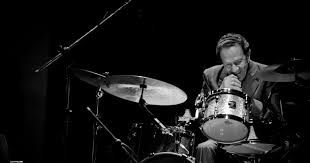
Summary: This article is derived from a Final Course Project that investigated the work of drummer Rubens Barsotti (1932-2020) as a musician and educator. However, the focus presented in this work aims to represent issues exclusively related to his musical performance, based on the analysis of semi-structured interviews with three former students: Giba Favery, Lauro Lellis, and Pércio Sappia. Barsotti is recognized for his work with the Zimbo Trio and for his significant contribution to the language of Brazilian drumming, especially in the context of samba-jazz. The Final Course Project adopts a qualitative methodology, with content analysis of the interviews, organized into ten main aspects that correlate and converge with each other; however, this article will only address six of these aspects, which are intrinsically linked to the field of musical performance. This article presents elements related to the instrumentalist's performance practice through the interviewees' statements, which are found in aspects of this work such as the use of a snare drum without snares in samba drumming, the execution of grooves with a strong jazz influence, and the timbral exploration of the cymbals. The data points to an authentic and creative interpretative approach, marked by aesthetic references and the construction of a unique musical identity. This work contributes to the recognition of Rubinho, as he was known, as an important figure in the history of Brazilian drumming, and reinforces the importance of research that values artists who are still little discussed in academia but are of great relevance to Brazilian music.
Keywords : Drums, Rubens Barsotti, Musical Performance


Comments